Tyrel Hawker
Product Marketing Portfolio

Launches That Win Shelf Space, Campaigns People Join, and Claims That Hold Up.

Three case studies from consumer durables and B2B software: one product launch owned from pitch through post-launch, one campaign built as a reusable asset system, and one AI workflow designed to catch inaccurate claims before they ship.

Most recently, I was a Product Marketing Manager at NiCE. Before that, I spent five and a half years as Product Marketing Manager for Coolers at Lifetime Products, delivering 20 new products and go-to-market plans, $50MM in revenue impact, and a 333% increase in category SKUs.

+11%Unit sales over Walmart's private-label cooler, full-year 2023
+13%Cooler sales in Lifetime's own stores during Adventure Week's May-June window, vs. the prior year
Hours → 30 MinClaim checking per asset with a verified AI workflow
How I Work

Position for the Real Purchase Driver

Start with who is buying and why, then match product, price, and message to that person. See the Walmart launch.


Build Assets Other People Can Run

One body of content, produced once, adapted for every channel and phase. See Adventure Week.


Verify Before It Ships

Every claim has a source I can point to, whether it comes from a test, a certification, or a product team. See both the Walmart launch and the AI workflow.

Case Study 1 · Launch and Positioning

Winning at Walmart on Value

The Lifetime 55 qt bear-resistant cooler against Walmart's own Ozark Trails brand.

Role
Product Marketing Manager, Coolers, Lifetime Products
Product
Lifetime 55 qt High Performance Cooler
Timing
Launched around 2019; result measured for full-year 2023
Launch Price
$97, against about $120 for Ozark Trails

Beat Walmart's Ozark Trails Cooler by 11% in unit sales across 2023, at a launch price under $100.

The Problem

Ozark Trails is Walmart's in-house brand. Its coolers were soundly made using rotomolded construction, but that process is expensive and the margins were slim.

Walmart wanted a high-quality cooler it could sell at a stronger margin, and shoppers wanted a good value. The goal was a cooler that was a clearly better deal for the shopper and a better business for the retailer. Lifetime's blow-molding process made that possible: a high-quality cooler at a sub-$100 price point, with higher margins for Walmart.

The Insight

I refined the target customer into three Walmart-shopper personas. Each one wanted something different from a cooler.

Target for the 55 qt

Weekend Warrior Walter

A dad in his mid-30s to 40s who wants time and memories with his kids. He needs a smaller cooler with room for a weekend camping trip.

Day Trips

Soccer Sally

Keeps snacks and drinks cold on grocery runs and picnics. What matters most to her is size and portability.

Long Trips

Long Haul Larry

Camps for long stretches and needs extreme ice retention in a large cooler. He already knows how to pack one well.

Other coolers in the Lifetime line were larger and kept ice longer, so the 55 qt was positioned as the right-sized family weekend cooler, not the maximum-capacity option.

The Story

A StoryBrand view of the positioning. The shopper is the hero, and the cooler is the tool that helps him succeed.

Character

Weekend Warrior Walter

Wants a great weekend outdoors and lasting memories with his kids.

Problem

Three Layers

External: needs a cooler big enough for the weekend, light enough to carry, and tough enough for the campsite.

Internal: worries about food spoiling and about overspending on a premium brand.

Philosophical: a family weekend outdoors shouldn't need a premium price.

Guide

Lifetime

Empathy: value-minded families want real performance without the premium price.

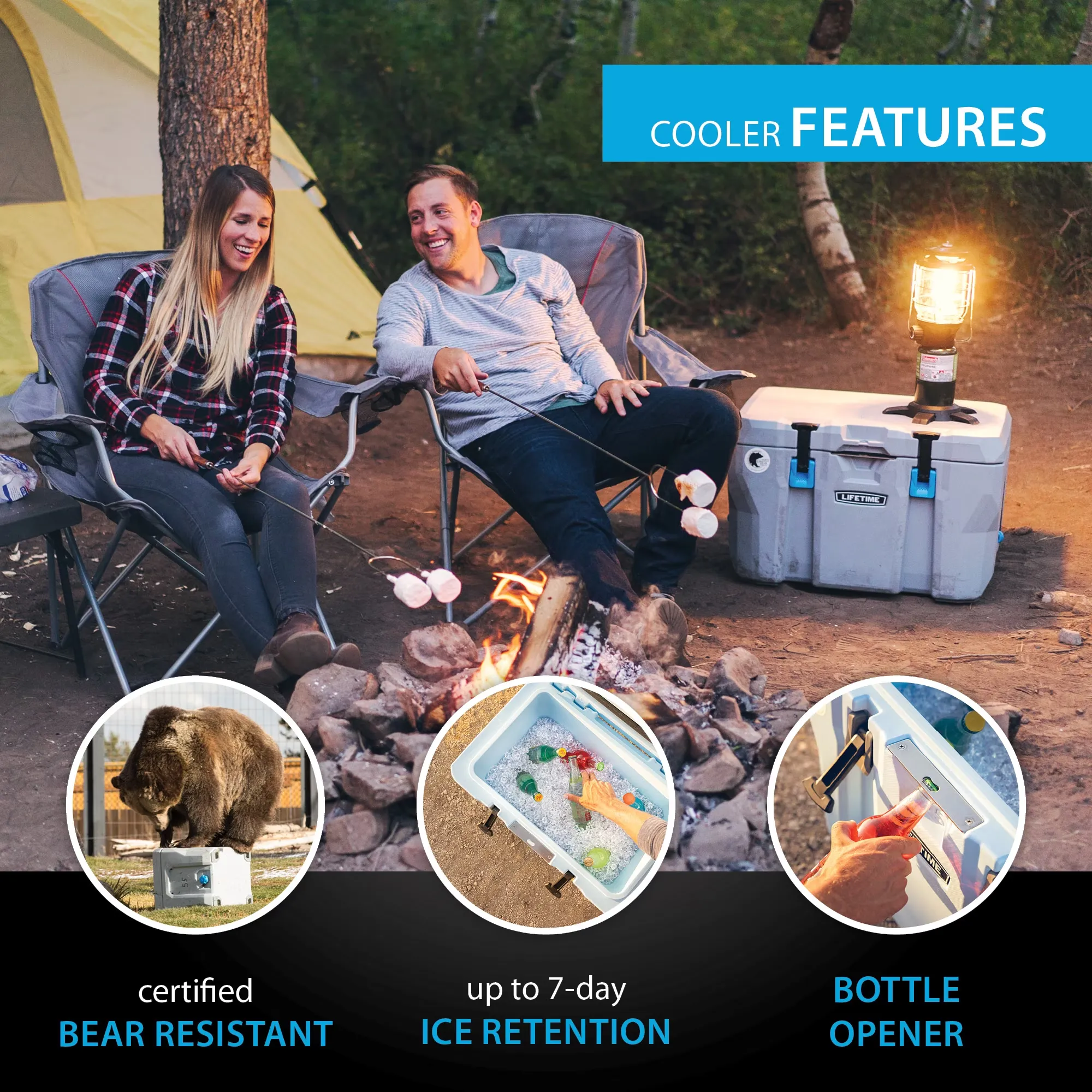
Authority: IGBC-certified bear resistance, an internal ice-retention test, a 5-year warranty, and U.S. manufacturing.

Plan

Three Steps

1. Pick the right size: the 55 qt.
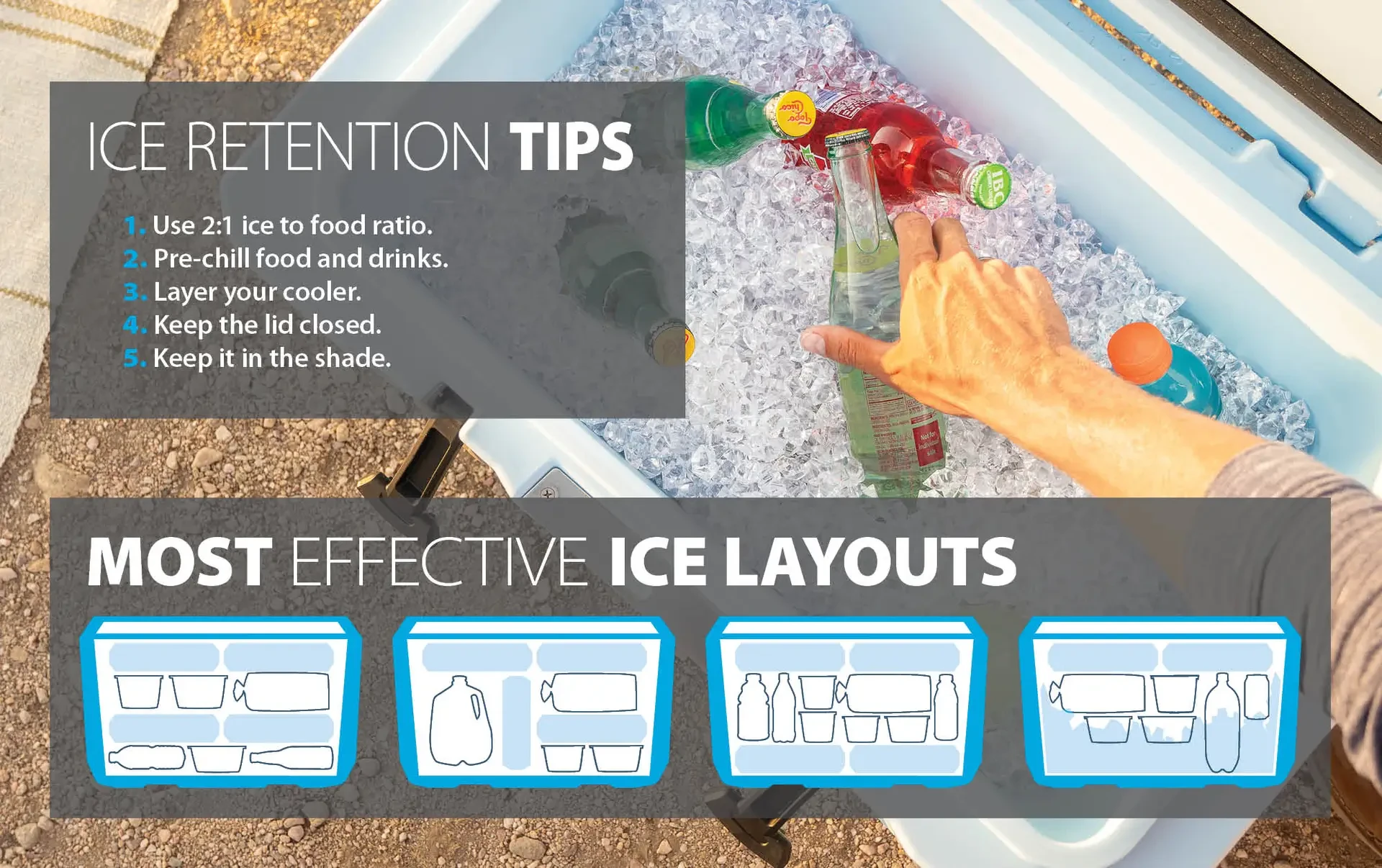
2. Pack it right: 2:1 ice to food, pre-chilled, kept in the shade.
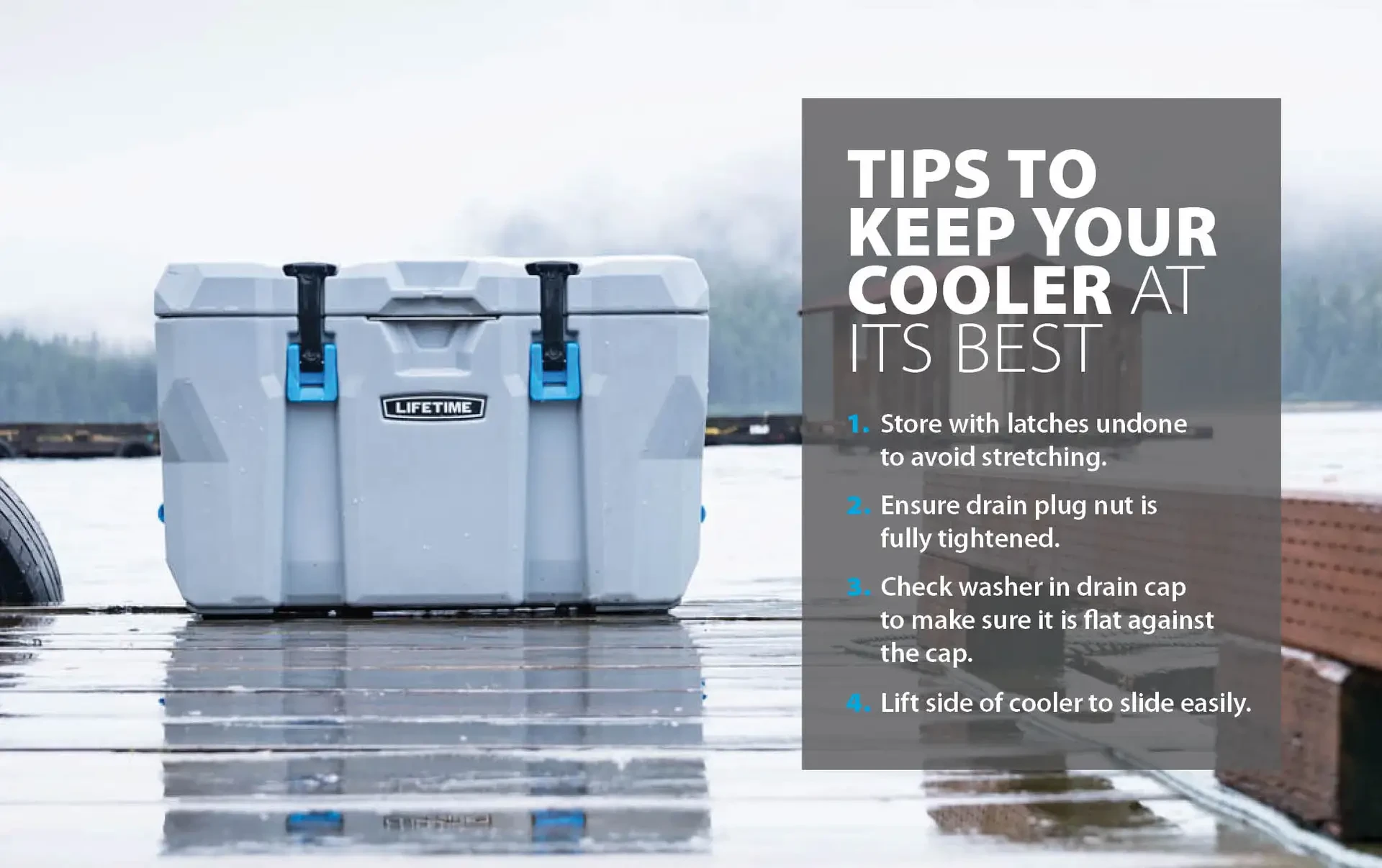
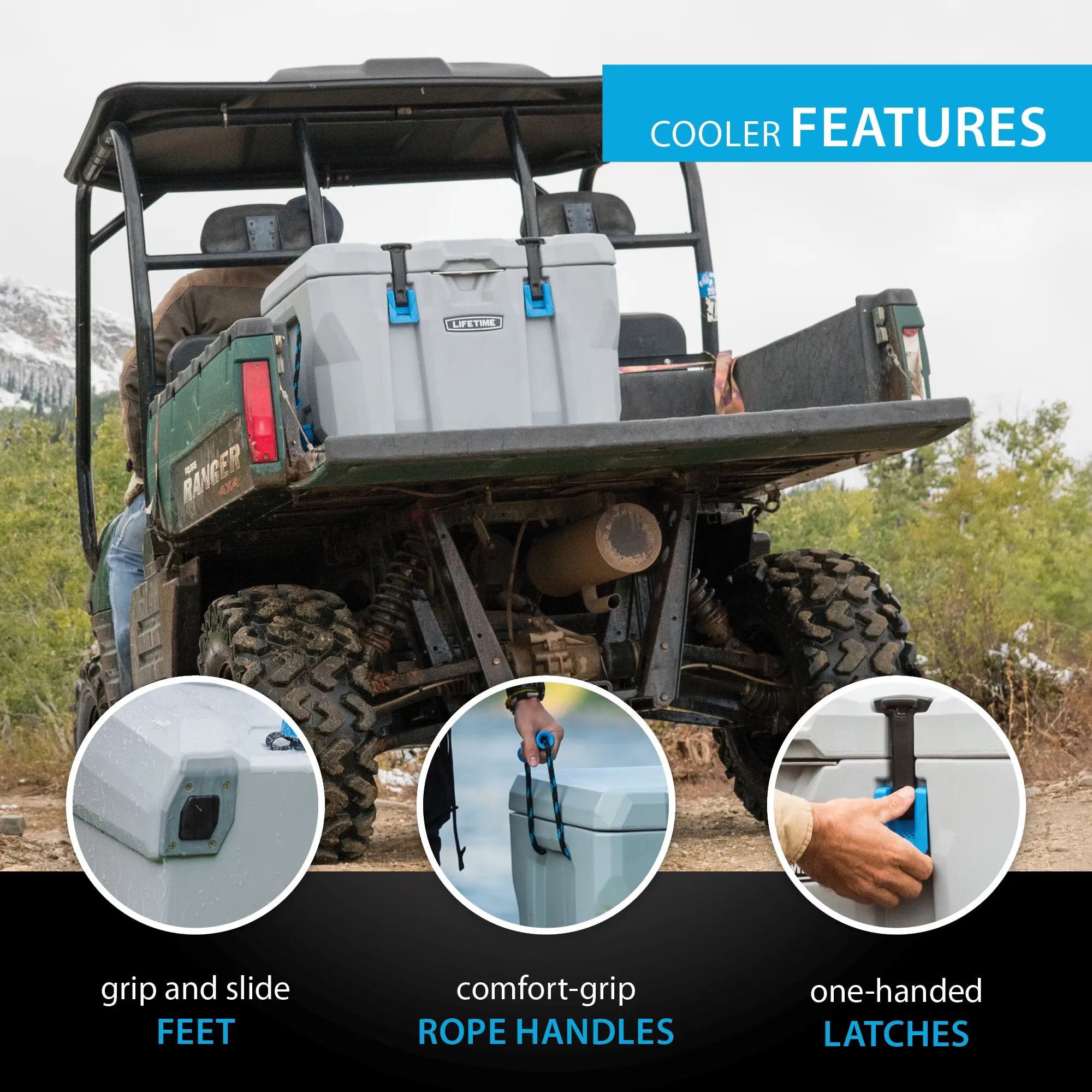
3. Head out: one-handed latches, grip-and-slide feet, rope handles.

Call to Action

Buy It at Walmart

Direct: pick it up at $97. Transitional: the ice-retention and care tips on the listing and in the brochure.

Failure Avoided

A Spoiled Weekend

Warm food, a cooler that doesn't survive the campsite, or paying about $120 for the private-label alternative.

Success

A Great Family Weekend

Cold food all weekend, a secure campsite, and memories with the kids, for under $100.

The Positioning

The promise: performance that stands up to premium-priced coolers on strength and ice retention at $97.

The proof: each headline claim had a documented basis.

ClaimBasis
Up to 7 days of ice retentionInternal test: cooler filled to three-quarters capacity with ice, ended once the interior rose above 40°F, the USDA food-safety threshold
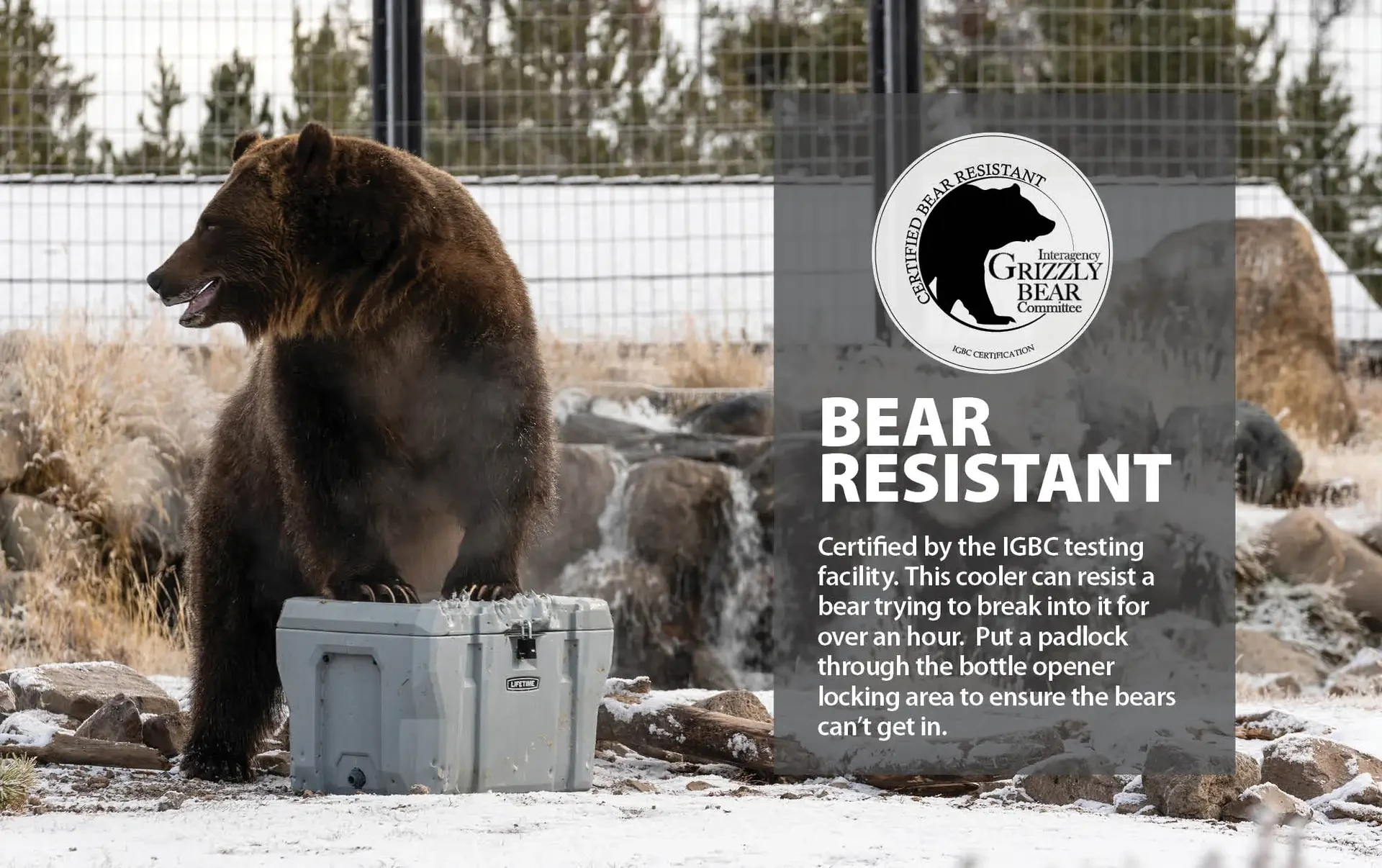
Certified bear resistant, over an hourThird-party certification from the Interagency Grizzly Bear Committee (IGBC) testing facility
5-year limited warrantyStated warranty terms on the product listing
Go-to-Market
  • I met with Walmart's buyers. Walmart was looking for a U.S. manufacturing plant, and Lifetime's domestic manufacturing made us a natural partner on the cooler.
  • I provided marketing support and ad spend behind the launch, mostly sponsored search results.
  • I tracked sales and in-store placement to see which geographies were selling and why. Coastal regions led, especially California, Texas, and Florida.
  • After the first quarter I shifted more ad spend into those markets, and sales there kept growing.
  • I worked with sales and the buying team, engineering, and other partners.
The Assets

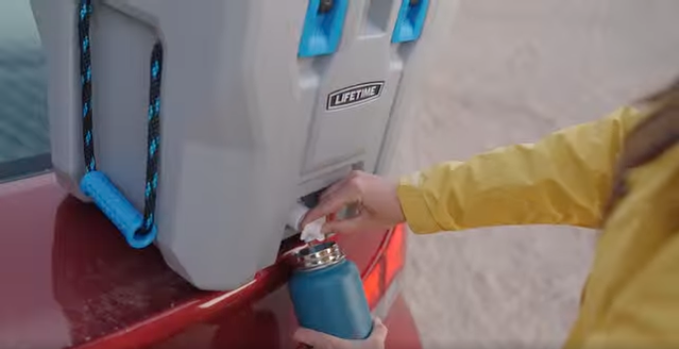
I directed every image on the product listing. The same set also went into a brochure packed with the cooler. One asset system worked online and in the cooler. Two choices to note: the ice-retention and care tips set realistic expectations (a 2:1 ice-to-food ratio, pre-chilling), which protects the 7-day claim, and the IGBC panel puts third-party proof at the point of purchase.
Result
MetricResult
Unit sales vs. Walmart's Ozark Trails Cooler+11%, full-year 2023
Launch price vs. Ozark Trails$97 vs. about $120
What I’d Change

It was a successful launch, but I would have concentrated ad spend even more in the top-selling markets. We had data granular enough to get almost to the store level, so I'd have raised spend in the specific area codes where the cooler was already selling to build awareness and grow sales further.
Case Study 2 · Campaign and Asset System

Lifetime Adventure Week

A week of daily themed content and giveaways, built once and reused across three phases.

Role
Originated and led the campaign
Dates
Week began June 17, 2024
Products
Coolers and kayaks
Channels
Facebook, Instagram, TikTok, and Lifetime's own stores

+13% cooler sales in Lifetime's own stores over May-June versus the prior year, 5% above historic averages.

The Problem

Lifetime wanted more awareness of its coolers and kayaks heading into the summer outdoor season, when shoppers are already getting ready to camp, fish, and get out on the water. The goal was to be the brand people thought of first.

The Idea

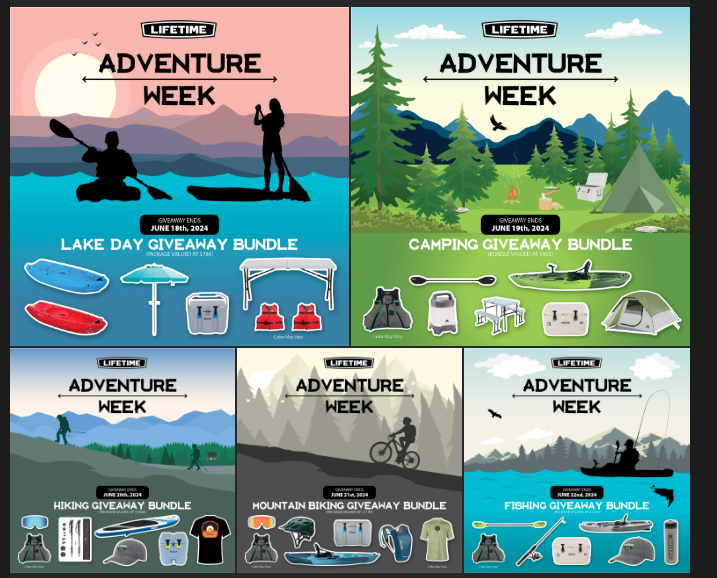
A full week of daily themes, each built around a way people use the products. Each day paired a story with a themed giveaway bundle that had its own end date, so people had a reason to follow along and share.

  • Lake Day
  • Camping
  • Hiking
  • Mountain Biking
  • Fishing
The Asset System

I planned one body of content that ran in three phases. Because the assets were built to be reused, one production effort supported weeks of activity.

Phase 1

Pre-Build

Teasers and early content to create anticipation.

Phase 2

Adventure Week

One flagship video per day, plus a themed giveaway bundle each day.

Phase 3

After the Week

Recycled material to keep the momentum going.

  • One video a day, dozens of pieces. We created one big video per day and cut stills from it for social posts, store materials, and the pre-build and after-week content.
  • Customer education. We created videos for customers, such as how to pack a cooler so it holds ice longer.
  • Customer videos. We asked users to send in videos of how they were adventuring, which gave us authentic content and a way for people to take part.
  • Themed giveaway bundles. We created giveaway bundles of kayaks, coolers, life vests, tents, tables, and bike and hiking gear, matched to each day's activity.

I worked with design, photography, video, social, store managers, and sales managers. I directed the bundle graphics and a designer finished them.

The Work
Results
MetricResult
Cooler sales in Lifetime's own stores, May-June+13% vs. same period prior year
Versus historic averages5% above
Digital engagement+12%
Reach85K impressions on Facebook, Instagram, TikTok
Brand awarenessRose after the campaign, per a third-party annual research survey
What I’d Change

The campaign worked and awareness went up. To improve it, I would build in a way to tie sales more directly to the campaign, such as a campaign-specific offer, code, or tracked landing page. That would let us separate its effect from normal summer demand.

To keep it going after launch, I'd keep the best-performing daily themes as an always-on series, bring in creators and customers for fresh content, and re-engage past giveaway participants.

Case Study 3 · AI Workflow and Verification

Checking Claims with Claude, Then Checking Claude

A custom Claude Skills workflow that tested product claims against engineering documentation.

Role
Designed and ran the workflow; Product Marketing Manager, NiCE
Used For
Whitepapers and other content that describes what the software does

Claim checking dropped from a few hours to up to 30 minutes, and a wrong assumption about how the product works was fixed before publication.

The Problem

Product marketing content has to describe accurately what the software does. When new features ship, a whitepaper can drift from the product, and AI tools can make that worse by sounding confident about things they inferred. I needed speed without publishing an inaccurate claim.

The Workflow

I wrote the content myself. The workflow then checked it in stages. The AI checked my work, and I checked the AI's flags, so neither was trusted alone.

  1. Tone and MechanicsClaude reviewed my draft for spelling, grammar, and brand tone of voice.
  2. Claim CheckClaude tested each capability I stated against the engineering documentation.
  3. Source TracingEvery claim had to trace to verifiable data. A claim that couldn't be traced counted as unverified.
  4. Flagged ClaimsClaude highlighted the claims for me to verify before anything shipped.
  5. My ReviewI checked each flag myself. The accuracy call was mine.
  6. Product TeamAnything uncertain went to the people who built the feature.
What Went Wrong

The most common failure was Claude assuming facts the sources don't state, such as how information flows through the system, or extending a capability beyond what the product does. On a whitepaper covering new features, Claude made a few of these assumptions.

The guardrails flagged them. I caught the errors and confirmed the correct details with the product team before the paper was finalized.

Impact
BeforeA Few HoursManual claim checking per asset
With the WorkflowUp to 30 MinChecked, traced, and flagged for review
Related Systems
  • A tracking system I built and maintained for 18 competitor battlecards, with factual-accuracy audits of third-party analyst reports before they informed positioning.
  • Other Claude Skills I built for content drafting, meeting analysis, vendor follow-up tracking, and a weekly PMM and AI trends brief.